Selena Quintanilla’s 30th Death Anniversary: Why Her Legacy Still Feels So Present
March 31, 2025 marked 30 years since Selena Quintanilla died at the age of 23. Three decades is a long stretch of time, especially in music, where styles, stars, and audiences can change within a few years. Yet Selena remains remarkably recognizable.
Her songs are still heard. Her image remains familiar. Her story continues to introduce younger listeners to Tejano music and Mexican-American culture.
That makes the Selena Quintanilla 30th anniversary of death more than a date on a calendar. It became an opportunity to look back at what she accomplished during a short career and ask a more interesting question: Why does Selena still feel so present after 30 years?
The answer is not simply nostalgia. Her influence reached music, fashion, representation, and cultural identity, giving her legacy a life that extends well beyond the years she was able to perform.
Selena Quintanilla Died on March 31, 1995
Selena Quintanilla died on March 31, 1995, in Corpus Christi, Texas. She was 23 years old.
March 31, 2025 therefore marked the 30th anniversary of her death. For longtime fans, the milestone represented three decades since the loss of an artist who had already become a major figure in Tejano music.
For younger people, the date carries a different meaning. Many were not alive when Selena died. They encountered her later through her music, the 1997 film Selena, documentaries, family members, cultural events, or recordings that continued circulating long after her career ended.
That difference matters.
A person who remembers Selena during the 1990s may associate her music with a particular period of life. Someone discovering her decades later may simply hear a remarkably confident performer whose songs still sound emotionally immediate.
The anniversary brought those two experiences together.
Rather than focusing heavily on the circumstances of Selena’s death, it is more meaningful to consider what she accomplished before March 31, 1995 and why that work continues to matter.
Who Was Selena Quintanilla?
Selena Quintanilla was a Mexican-American singer who became one of the best-known figures in Tejano music. She performed with her family group, Selena y Los Dinos, before developing into a major solo star.
Her rise was not an overnight event.
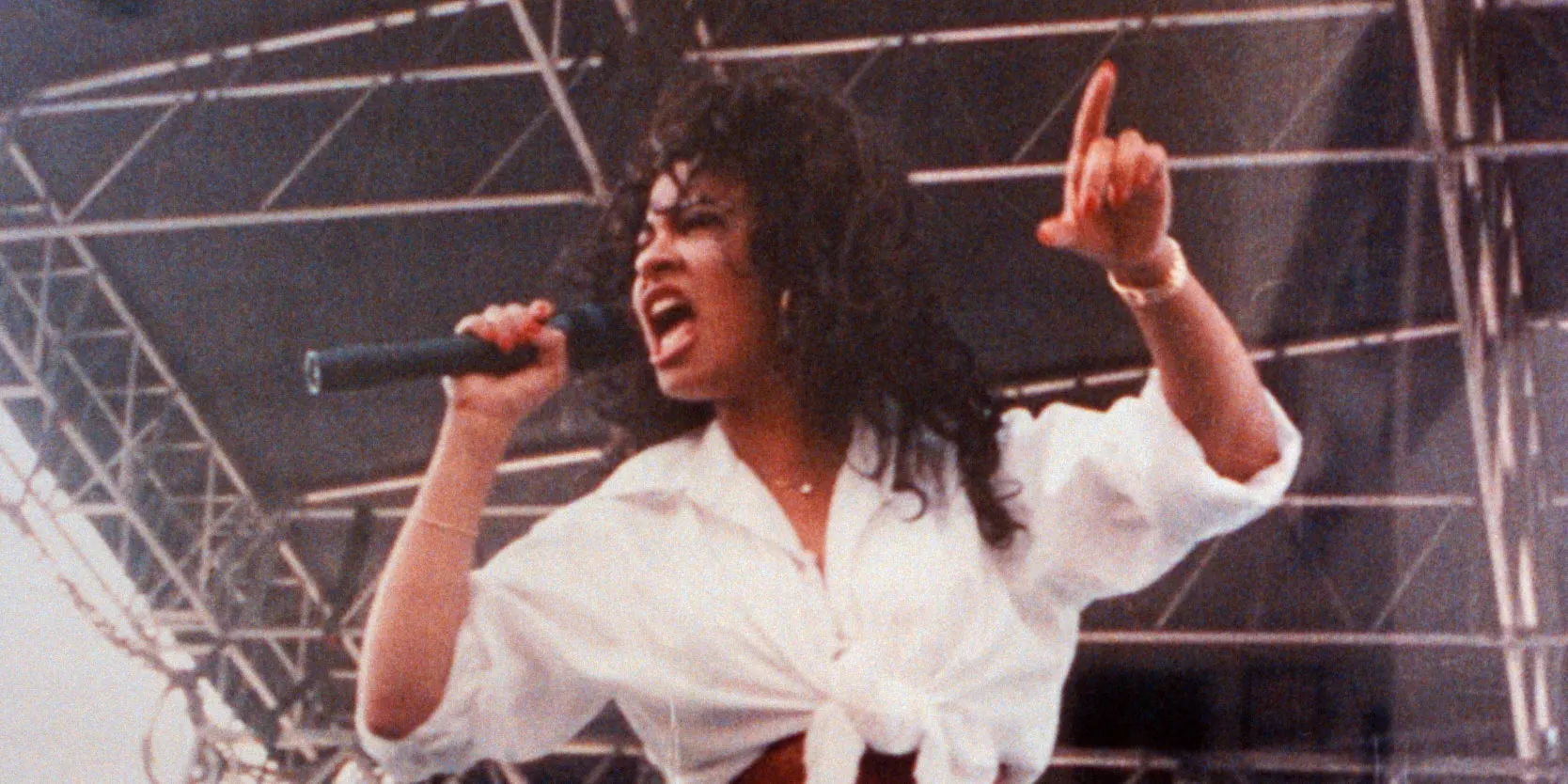
Selena grew up performing music with her family and gradually developed her skills as a singer and entertainer. As her career progressed, she became known for her energetic performances, distinctive voice, charismatic personality, and ability to connect with audiences.
She also entered a music scene that had historically been dominated by men.
That made her success especially significant.
From Selena y Los Dinos to Tejano Stardom
Selena y Los Dinos provided the foundation for Selena’s career. The family band allowed her to gain experience performing for audiences while still young and helped establish the musical identity that would eventually make her famous.
Tejano music itself has deep roots in Mexican-American communities, particularly in Texas. The genre combines Mexican musical traditions with influences that have developed on both sides of the U.S.-Mexico border.
Selena helped make that sound accessible to audiences beyond its traditional base.
Her music incorporated elements of Tejano, cumbia, pop, and other Latin influences, creating a sound that could appeal to longtime Tejano listeners while attracting people who were less familiar with the genre.
Here’s the thing: Selena did not need to abandon her cultural identity to reach a wider audience.
Her identity was part of the appeal.
Why Selena Became Known as the Queen of Tejano
The nickname “Queen of Tejano” reflects the scale of Selena’s influence within the genre.
She became a major star while helping introduce Tejano music to listeners who might not previously have paid attention to it. Her popularity also demonstrated that a Mexican-American female performer could become a powerful commercial and cultural presence without leaving her roots behind.
That combination of accessibility and cultural identity became one of the defining characteristics of her career.
Selena was not simply performing songs. She was representing a community and showing audiences that Mexican-American culture could occupy a larger place in mainstream entertainment.
Selena’s Career Was Still Growing When She Died
One reason the 30-year anniversary can feel particularly striking is that Selena’s career was still developing when it ended.
She had already achieved major success, but her story did not feel complete.
Her Grammy-Winning Success
Selena’s album Selena Live! earned the Grammy Award for Best Mexican-American Album in 1994.
The achievement was significant for both Selena and Tejano music. She became the first female Tejano artist to win the Grammy in that category, marking an important moment for a genre that had traditionally received less mainstream attention.
A Grammy could not fully measure Selena’s cultural importance, but it gave formal recognition to the work she had already accomplished.
It also showed how far she had traveled from the regional Tejano scene.
Her success was becoming impossible to view as something limited to one community or one genre.
Amor Prohibido and Her Growing Mainstream Audience
Amor Prohibido became one of the defining albums of Selena’s career.
The album strengthened her position in Tejano music while helping her reach listeners beyond the genre’s established audience. Songs associated with the album became central parts of her musical identity and remain among the recordings most closely connected with her legacy.
The album also demonstrated Selena’s ability to make Spanish-language music accessible to a broad audience.
She did not have to choose between commercial appeal and cultural authenticity.
That balance became one of her greatest strengths.
Dreaming of You and Her Posthumous Success
Selena’s posthumous album Dreaming of You introduced her music to an even wider audience.
Released after her death, the album became a major commercial success and reached No. 1 on the Billboard 200. For listeners who had not followed her Tejano career, the album provided an entry point into her music.
That created an unusual situation.
Selena’s audience continued expanding after her career had ended.
For many younger listeners, Dreaming of You and the songs associated with it became part of their first introduction to Selena. Her music therefore moved from being contemporary entertainment to becoming part of a broader musical legacy.
Why Does Selena Still Feel So Present 30 Years Later?
This may be the most interesting question surrounding the anniversary.
Thirty years can completely change how the public remembers an artist. Some performers become increasingly associated with a particular era, while others remain culturally visible long after their original audience has aged.
Selena belongs firmly in the second group.
Her music continues to circulate, but music alone does not explain everything.
Her Music Became Part of Family Memory
For longtime fans, Selena’s songs can be connected to weddings, parties, family gatherings, celebrations, and everyday memories.
That gives music a different kind of staying power.
A song heard repeatedly within a family can become part of its cultural memory. Parents introduce songs to children. Older relatives explain who Selena was. A younger listener becomes curious and begins exploring the rest of her catalog.
The process repeats.
Her Cultural Identity Remained Central
Selena’s Mexican-American identity was never something separate from her public image.
It was part of her music, language, fashion, performances, and connection with her audience. That made her especially meaningful to people who saw aspects of their own cultural experiences represented on a major stage.
Her influence therefore extends beyond entertainment.
Most people associate Selena’s legacy primarily with nostalgia, but her importance also reaches music history, Mexican-American cultural identity, fashion, and Latina representation.
Younger Generations Can Discover Her Without Remembering Her
This is one of the most interesting differences between Selena and many artists from the 1990s.
A younger fan does not need to have been alive during Selena’s career to develop a connection with her work.
They can encounter her through recordings, films, documentaries, family members, cultural celebrations, or online conversations. Once they become interested, the music itself provides another reason to stay.
That creates a different type of fandom.
It is not based on personal memories of seeing Selena perform. It is based on discovering what she created and recognizing why it mattered.
Has It Really Been 30 Years Since Selena Died?
For someone who remembers Selena’s rise during the 1990s, 30 years can feel both enormous and strangely short.
That is one reason anniversary discussions often become emotional.
Time works differently when connected to music. A person can hear a song from decades ago and suddenly remember a particular period of life, even if the surrounding world has completely changed.
For younger listeners, however, Selena has always been part of history.
They may know that her career belonged to the 1990s, but the music itself does not necessarily feel old. A strong performance can cross decades without needing to be updated.
Look — if you’re wondering why Selena still feels so present, here’s what actually works: her music creates a bridge between people who remember her career and people who discovered it later.
Those groups may experience her differently, but they are listening to the same artist.
And that matters.
How Selena’s Legacy Has Reached New Generations
Selena’s legacy has been preserved through more than recordings.
Her story has continued through film, documentaries, museums, cultural collections, fashion, and public remembrance.
The 1997 Selena Movie
The 1997 film Selena, starring Jennifer Lopez, played a major role in introducing Selena’s story to audiences who may not have experienced her career firsthand.
A biopic can do something a music catalog cannot.
It gives historical context.
Someone who discovered Selena through the film could then explore her albums, performances, interviews, and style. The film became another doorway into her story.
For younger audiences, that kind of cultural preservation can be especially powerful because it connects an artist’s personal story with the broader historical moment in which she lived.
Museums, Documentaries, and Cultural Preservation
Selena’s music and image have also been preserved through cultural institutions and public collections.
Her costumes, photographs, recordings, and other artifacts help demonstrate that her influence was not limited to commercial entertainment. These objects provide physical evidence of a career that became important enough to be preserved as part of American cultural history.
Museums and documentaries also help place Selena within a larger story about Mexican-American culture, Latin music, and representation.
That context is valuable.
It allows new audiences to understand not only who Selena was, but also why her rise mattered.
Why Younger Fans Continue to Discover Her Music
Music discovery has changed dramatically since the 1990s.
A listener no longer needs to own an album or wait for a song to appear on the radio. Older recordings can be discovered alongside current releases, making it easier for younger listeners to encounter artists from previous generations.
Family influence remains important, too.
A parent or grandparent may introduce Selena to a child. A movie may inspire someone to search for her music. A cultural event may prompt curiosity about her career.
The path changes.
The music remains.
Selena’s Influence Goes Beyond Music
Selena’s legacy cannot be measured only through albums and awards.
Her impact also includes representation.
Latina Representation
Selena became a visible Mexican-American woman in an entertainment industry where opportunities for Latina performers were not always equally accessible.
Her success showed that cultural identity could be central to mainstream appeal rather than something that needed to be hidden or softened.
That message continues to resonate.
Mexican-American Identity
Selena’s career also reflected the complicated cultural space occupied by many Mexican Americans.
She was connected to both Mexican and American traditions, performed primarily in Spanish while growing up in the United States, and became a major figure in a genre deeply connected to Mexican-American communities.
Her story therefore became part of a larger conversation about identity.
Fashion
Selena’s fashion remains one of the most recognizable parts of her image.
Her stage outfits combined glamour, confidence, bold silhouettes, and elements of contemporary pop fashion. She developed a visual identity that was instantly recognizable without separating it from her personality as a performer.
Her style became part of her cultural legacy.
Women in Entertainment
Selena also challenged expectations within Tejano music.
Her success demonstrated that a young Latina woman could become a powerful leading figure in a male-dominated musical environment.
That achievement has significance beyond her individual career.
It became part of the history of Latina representation in American entertainment.
Remembering Selena 30 Years Later
The most meaningful way to approach Selena’s 30th death anniversary is not to reduce her story to the circumstances of her death.
Her life deserves more attention than that.
She became a successful recording artist, a Grammy winner, a major Tejano performer, a fashion icon, and a cultural figure before reaching her 24th birthday. Her career was brief, but its influence was not.
The National Endowment for the Arts has recognized Selena as one of the celebrated Mexican-American entertainers of the late 20th century, reflecting the lasting importance of her contributions to music and culture.
That legacy helps explain why anniversary discussions continue to attract attention.
People are not simply remembering what was lost.
They are remembering what Selena created.
Why Selena’s Music Still Matters
Music can outlive the circumstances in which it was created.
That may be the simplest explanation for Selena’s lasting presence.
Her songs continue to introduce new listeners to Tejano music. Her performances remain part of conversations about Latin entertainment. Her fashion continues to be recognized. Her story remains meaningful to people who see her as an important figure in Mexican-American and Latina cultural history.
For longtime fans, the music can bring back memories.
For younger listeners, it can feel like a discovery.
Both experiences can exist at the same time.
I’ve seen different interpretations of Selena’s lasting influence. The strongest explanation, though, is not simply nostalgia; it is the continued presence of her music, story, cultural identity, and representation across generations.
Thirty years after March 31, 1995, Selena’s legacy is therefore less about measuring how much time has passed and more about recognizing how little that time has diminished her cultural presence.
Her career ended young.
Her influence did not.
Frequently Asked Questions
How long has it been since Selena Quintanilla died?
Selena Quintanilla died on March 31, 1995. March 31, 2025 marked the 30th anniversary of her death. In 2026, it has been more than 31 years since her death.
How old was Selena Quintanilla when she died?
Selena Quintanilla was 23 years old when she died in 1995.
Why is Selena Quintanilla still famous?
Selena remains famous because of her contribution to Tejano music, distinctive performances, recognizable style, and lasting influence on Mexican-American and Latina culture.
What was Selena Quintanilla famous for?
She was best known as a Grammy-winning Tejano singer who helped bring the genre to broader audiences while becoming an important figure in Mexican-American entertainment.
What happened to Selena’s music after her death?
Her posthumous album Dreaming of You became a major commercial success and reached No. 1 on the Billboard 200, introducing her music to an even wider audience.
Why is Selena called the Queen of Tejano?
The title reflects Selena’s enormous popularity and influence within Tejano music, as well as her role in helping expand the genre’s audience.
How did Selena influence later generations?
Her music, fashion, cultural identity, and story have continued introducing her to people who were not alive during her original career.
What is Selena’s legacy today?
Her legacy includes her influence on Tejano and Latin music, Mexican-American culture, Latina representation, fashion, and generations of fans.
Final Reflection
The 30th anniversary of Selena Quintanilla’s death offered an opportunity to look backward, but it also revealed something about the present.
Three decades have passed since March 31, 1995. Yet Selena’s name remains familiar, her music continues to be discovered, and her cultural influence still reaches people who never had the opportunity to see her perform.
That is a powerful legacy.
For some people, Selena will always be connected to memories of the 1990s. For others, she will be an artist they discovered years later through a song, a film, a family member, or a cultural story.
Either way, the connection begins with what she left behind.
And perhaps that is why 30 years does not always feel like 30 years when Selena’s music starts playing.