How Do Electric Cars Work? A Beginner’s Guide to Batteries, Motors, Charging, and Driving Range
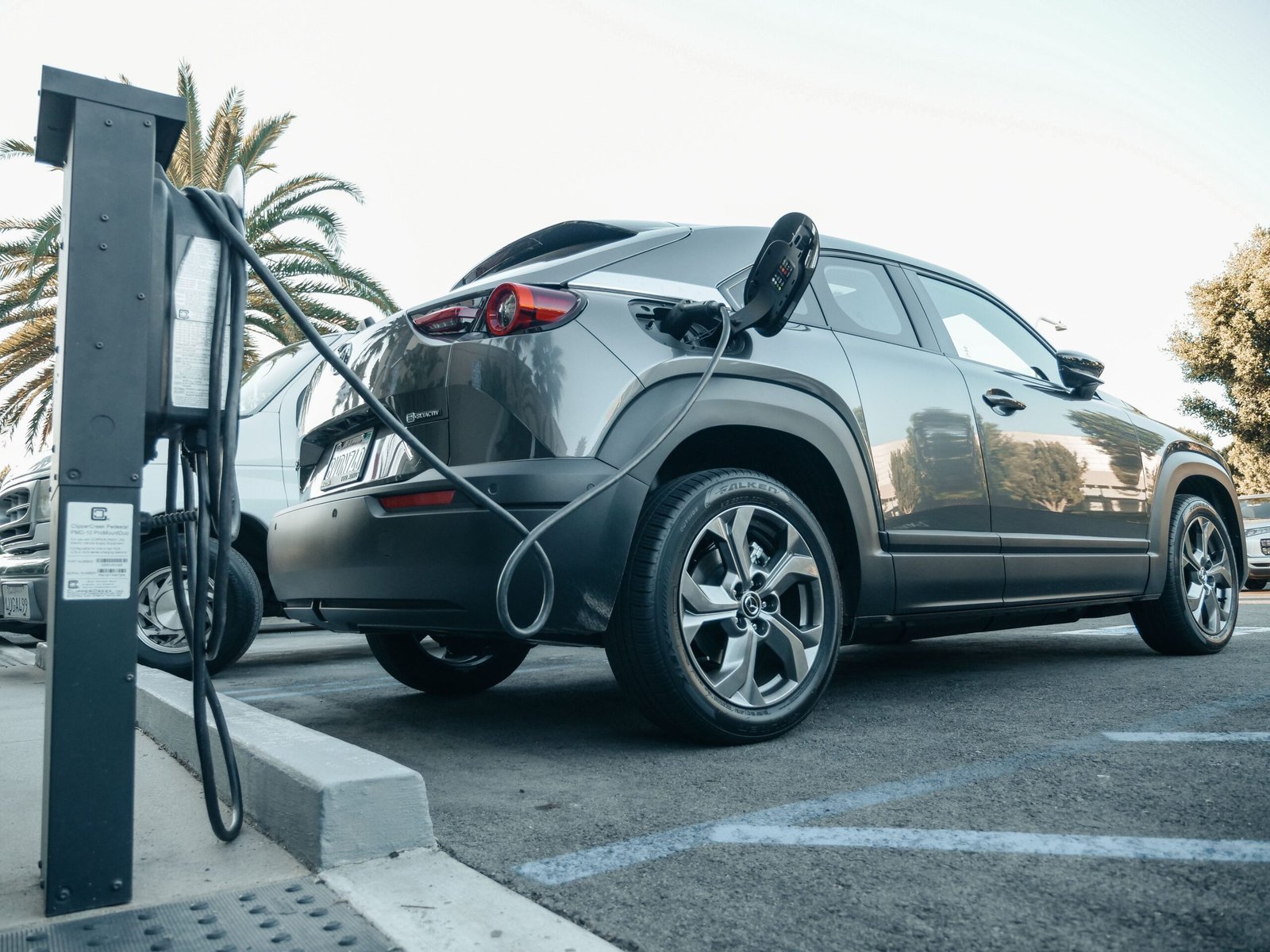
Electric cars are becoming more popular as drivers look for alternatives to gasoline vehicles. If you have ever wondered how do electric cars work, the short answer is that they store electricity in a battery and use it to run a motor that turns the wheels. There is no fuel tank and no combustion engine, and that one difference changes almost everything about how the car is built, driven, and maintained.
This guide explains how electric cars function, what their main parts do, how charging works, and what to expect from range, winter driving, and ownership. How Do Electric Cars Work It also covers hybrid and hydrogen cars, since many people research these at the same time.
What Is an Electric Car and How Does It Work?
If you are asking what is an electric car and how does it work, here is the plain version. How Do Electric Cars Work An electric car uses one or more electric motors to move. A fully electric car, also called a battery-electric vehicle (BEV), keeps its energy in a rechargeable battery pack. When the driver presses the accelerator, the battery sends power to the motor.
Many readers search for what are electric cars and how do they work because the technology feels unfamiliar. Fully electric vehicles do not burn gasoline or diesel. How Do Electric Cars Work Drivers recharge the battery by plugging into an electricity supply instead of visiting a fuel station.
Electric cars include the battery pack, electric motor, power electronics, charging equipment, and a thermal management system. How Do Electric Cars Work Together they supply power, manage energy, and keep the vehicle running reliably.
How Do Electric Cars Work Simple Step by Step
For anyone who wants how do electric cars work simple, or even how do electric cars work for dummies, the process comes down to a short chain of events:
- The battery stores energy. The rechargeable battery holds the electricity used for driving.
- The driver presses the accelerator. The car’s control systems read how much power is requested.
- Power electronics regulate the flow. The inverter manages the electricity sent to the motor.
- The motor creates movement. It converts electrical energy into mechanical energy.
- The wheels turn. The drivetrain carries that rotational force to the wheels.
- Sensors monitor everything. Control systems track battery condition and motor performance.
When the driver slows down, the motor can recover some energy through regenerative braking and send it back to the battery. How Do Electric Cars Work Designs vary: some cars use one motor, while others use two or more to power different wheels.
People often search how do ev cars work or how does an ev work, and this chain is the answer to both. The same applies to how does an electric vehicle work and how do fully electric cars work. Whichever phrase you use, the principle is the same.
Main Components of an Electric Car
How do all electric cars work as a complete system? Each part has a job, and the car depends on all of them working together.
The Battery Pack
How do electric car batteries work? The battery pack stores the energy needed to move the car. How Do Electric Cars Work Most modern electric cars use lithium-ion technology because it balances capacity, weight, and performance well.
If you are curious how do ev batteries work inside, the pack is made of many individual cells grouped into modules. How Do Electric Cars Work A battery management system watches temperature, voltage, and charge level to keep everything within safe limits. People also ask how does an ev battery work over time, and the answer is that capacity slowly declines because of age, heat, charging habits, and normal use.
Battery capacity is measured in kilowatt-hours (kWh). A bigger battery can store more energy and may offer more range, but efficiency and driving conditions matter just as much.
The Electric Motor
How does an electric car motor work? The motor turns electrical energy into rotational force. Electric motors deliver strong torque from low speeds, which is why many electric cars accelerate smoothly.
People ask how does an electric car engine work, though strictly speaking an electric car has a motor rather than an engine. How does the electric car motor work in practice? Electricity flowing through the motor creates magnetic forces that spin a rotor. That is also the basic answer to how do ev motors work and how do ev engines work.
Many drivers also ask how do electric engines work in cars compared with gasoline engines. The key difference is that electric motors have few moving parts and do not burn fuel. Common designs include permanent-magnet synchronous motors and induction motors, chosen for performance, efficiency, and cost. If you wonder how does an electric motor in a car work with several motors, a car with one motor per axle can offer all-wheel drive without a mechanical link between the front and rear.
The Inverter and Power Electronics
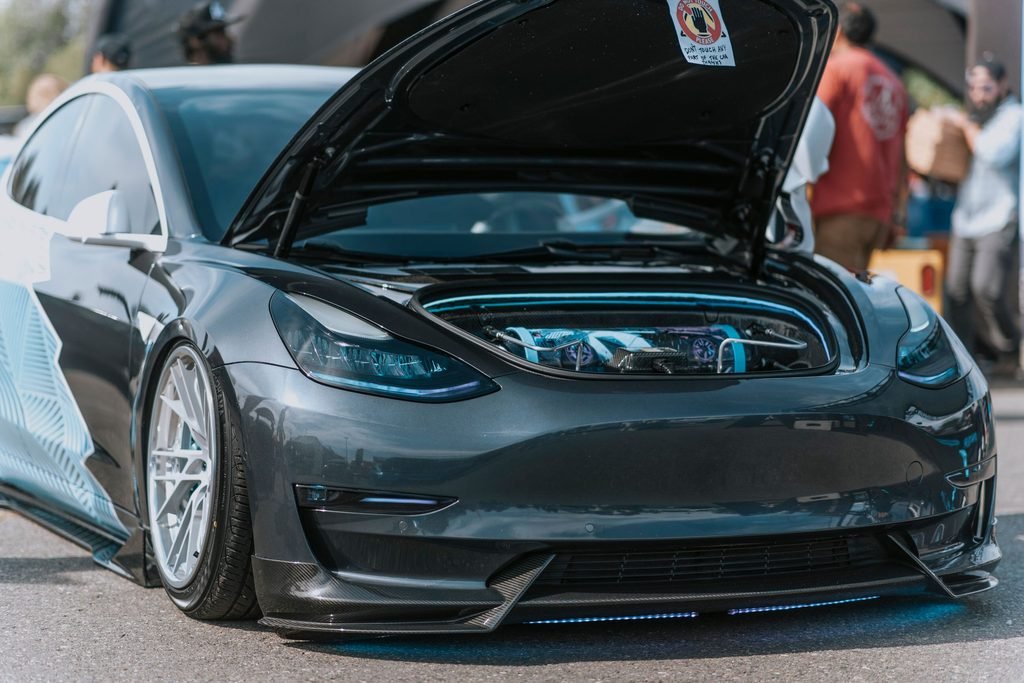
The battery supplies direct current (DC), while many traction motors run on alternating current (AC). How Do Electric Cars Work The inverter converts and controls power so the motor gets what it needs. It also regulates speed and torque based on accelerator input. During regenerative braking, power electronics manage energy flowing back to the battery. Their efficiency matters because energy lost in conversion is not available for driving.
The Reduction Gearbox and Drivetrain
Most electric cars skip the multi-speed transmission found in gasoline vehicles. How Do Electric Cars Work Motors work well across a wide speed range, so many models use a single-speed reduction gearbox. It lowers motor speed and increases torque at the wheels. The design is simpler, but the drivetrain still needs inspection and maintenance.
The Charging Port and Onboard Charger
The charging port connects the car to an electricity supply. The onboard charger converts AC power from a compatible source into DC power for the battery. With a DC fast charger, the conversion happens in the charger outside the car, so electricity reaches the battery without passing through the onboard charger in the same way.
The Thermal Management System
Batteries and motors work best within a suitable temperature range. The thermal management system uses liquid cooling, air cooling, heating elements, or heat pumps to protect components from heat and cold. Temperature affects charging speed, energy use, performance, and long-term reliability.
Regenerative Braking and Electric Car Brakes
How does the regenerative braking work? When you lift off the accelerator or press the brake, the motor acts as a generator. How Do Electric Cars Work The moving car turns the motor, which converts some kinetic energy into electricity and sends it to the battery.
This improves efficiency and can extend range, especially in stop-and-go traffic. If you want to know how does tesla regenerative braking work, the principle is the same across brands, although each manufacturer tunes how strong the effect feels.
How do electric car brakes work alongside this system? Electric cars still have friction brakes for harder stops or when regeneration is not enough. How Do Electric Cars Work The same question comes up as how do ev brakes work, and the answer is a blend of regenerative and conventional braking. Regeneration does not recover all the energy used to accelerate, because air resistance, tire resistance, and mechanical losses remain. Friction brakes still need regular inspection.
How Does EV Charging Work?
How does ev charging work in simple terms? The car receives electricity from a compatible source, and the onboard systems manage how it enters the battery. Many people ask how does electric car charging work or how does charging an electric car work, and the answer depends on the charger type. Related searches include how does charging electric car work and how does electric charging work. All of them lead to the same three charging levels.
Level 1 Charging
Level 1 uses a standard household outlet where the car and local electrical system support it. It is the slowest option. It can suit drivers with short daily distances and a full night to recharge, but it may be too slow for large batteries or high daily mileage. The outlet and wiring must be suitable for the load, and drivers should follow manufacturer and local safety guidance.
Level 2 Charging
Many drivers ask how fast does level 2 charger work compared with a wall outlet. Level 2 uses a higher-powered AC setup and is common at homes, workplaces, and public parking areas. It can refill a battery much faster than Level 1, though actual times depend on battery size, charger output, onboard charger limits, and temperature.
If you are wondering how do home ev chargers work, they are simply Level 2 units installed where you park. They deliver controlled AC power to the car, and the onboard charger does the rest.
DC Fast Charging
DC fast charging sends direct current to the battery through compatible equipment. How Do Electric Cars Work It can be considerably faster than AC charging and is useful on longer trips. Charging power often drops as the battery fills, and cold or overheated batteries may charge more slowly. Not every car supports the same maximum speed, and connectors vary by market.
How Do Charging Stations Work?
How do charging stations work from the driver’s side? You park, connect the cable, start a session through an app, card, or the station itself, and the station supplies power while communicating with the car about how much it can accept. How Do Electric Cars Work This applies to how do electric car charging stations work, how do electric charging stations work, and how do electric vehicle charging stations work.
Drivers also ask how do public charging stations work and how do public ev charging stations work, particularly about payment and availability. Pricing, access methods, and speeds differ by network. How Do Electric Cars Work People searching how do charging stations for electric cars work, how do charging stations work for electric cars, and how does electric car charging station work are asking about this same process.
Other phrasings you may see include how do ev charging points work, how do ev chargers work, and how do electric car chargers work. Charging points and chargers are the same idea: equipment that delivers electricity safely and manages the session.
How Many Hours to Charge an Electric Car?
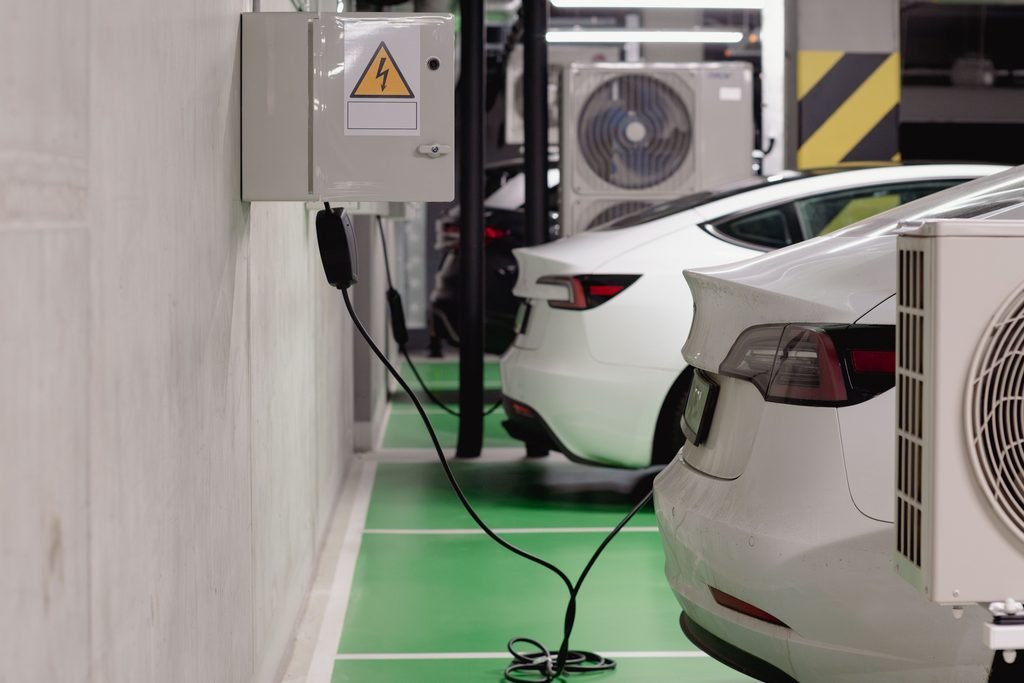
How many hours to charge an electric car has no single answer. A small battery on a strong charger can refill faster than a large battery on a weak one. Charging to about 80% can take a different time than going to 100%, especially on a DC fast charger. Check the manufacturer’s estimated charging times for your model.
How Do Electric Cars Work in Cold Weather?
How do electric cars work in cold weather is one of the most common concerns. Low temperatures reduce battery efficiency, slow charging, and increase the energy needed for heating. Searches such as how do ev work in cold weather, how do electric cars work in winter, and how do electric cars work in the winter all point to the same issue.
Preconditioning the battery and cabin while the car is plugged in can help. Heat pumps also reduce the energy used for heating. The effect varies by vehicle and climate.
How Do Electric Car Heaters Work?
Drivers often ask how do electric cars heaters work since there is no hot engine to provide warmth. How does an electric car heater work? Most use electric resistance heating, a heat pump, or both. A resistance heater turns electricity directly into heat. A heat pump moves heat from outside air or from the car’s own components, which uses less energy.
If you are asking how do ev heaters work or how do heaters in electric cars work, those are the same two methods. The same goes for how does a heater work in an electric car, how does heat work in an electric car, and how does the heater work on an electric car. All of these draw energy from the battery, which is why heating affects range.
How Far Can an Electric Car Travel on One Charge?
Driving range depends on battery capacity, efficiency, road conditions, weather, and driving habits. Several things reduce it: high speeds, cold weather, cabin heating and cooling, heavy loads, aggressive driving, and hilly or stop-and-go routes.
To improve efficiency, keep tires properly inflated, accelerate smoothly, plan routes, and use climate settings sensibly. The range shown on the dashboard is an estimate, not a guarantee.
Electric cars convert a high share of battery energy into movement. How Do Electric Cars Work The U.S. Department of Energy has reported that electric vehicles typically convert about 87%–91% of battery energy to power at the wheels, after accounting for regenerative braking. Overall environmental impact still depends on how the electricity is generated, how the battery is made, and how long the vehicle lasts.
How Do Hybrid Cars Work?
Many buyers compare electric cars with hybrids. How do hybrid cars work? A hybrid combines a gasoline engine with an electric motor and a small battery. How Do Electric Cars Work The car decides when to use the engine, the motor, or both.
If you search what is a hybrid car and how does it work, or what are hybrid cars and how do they work, here is the idea. At low speeds the motor can do much of the work. How Do Electric Cars Work At higher speeds or under heavy load the engine helps. Hybrid cars how do they work is a common question, and the answer is that braking energy recharges the small battery, so you never plug it in.
Several variations exist:
- How do mild hybrid cars work? A mild hybrid uses a small motor to assist the engine, but it generally cannot drive the car on electric power alone.
- How do non plug in hybrid cars work? They recharge their battery through braking and engine power, with no external charging.
- How does a plug in hybrid work? A plug-in hybrid has a larger battery that can be charged from the grid, giving some electric-only driving before the gasoline engine takes over. People also ask how does a plug in hybrid car work and plug in hybrid how does it work, and this is the answer.
- How do hybrid engines work? The gasoline engine in a hybrid is often tuned for efficiency and works with the motor rather than alone.
How does a hybrid vehicle work compared with a fully electric one? A hybrid still burns fuel, so it has tailpipe emissions, while a battery-electric vehicle does not.
Toyota is one of the best-known hybrid makers, so people ask how does a toyota hybrid work and how does the toyota prius work. How Do Electric Cars Work The Prius uses a hybrid system that blends engine and motor power automatically, and the principles above apply.
How Do Hydrogen Cars Work?
How do hydrogen cars work? A hydrogen fuel cell vehicle is still an electric car, but it makes its own electricity on board. Hydrogen from a tank combines with oxygen from the air in a fuel cell, producing electricity and water vapor. How Do Electric Cars Work The electricity powers a motor, often with a small battery to help.
Searches like hydrogen fuel cell cars how it works and how does a hydrogen fuel cell work in a car describe this process. People also ask how do hydrogen powered cars work and how does a fuel cell car work. The car refuels with hydrogen in a few minutes, but hydrogen stations are far less common than charging points, which limits where these cars are practical.
How Do Tesla Cars Work?
How do tesla cars work? A Tesla is a battery-electric vehicle, so the principles in this guide apply. How Do Electric Cars Work It stores energy in a battery pack, uses an inverter and motor to drive the wheels, and recovers energy through regenerative braking.
Drivers also ask how does tesla charging work and how do tesla chargers work. Tesla vehicles can charge at home, at destination chargers, and at fast chargers, with the car managing how much power the battery accepts. How Do Electric Cars Work The details of connectors and compatibility vary by market and model year.
Benefits and Challenges of Electric Cars
Benefits:
- Lower routine maintenance. There is no engine oil, spark plugs, or exhaust system, though tires, brakes, suspension, and cabin filters still need care.
- Quiet, smooth driving. Motors deliver torque quickly and run quietly.
- No tailpipe emissions. This helps local air quality, especially in busy areas.
- Potential energy savings. Electricity can cost less per kilometre than gasoline, depending on local prices and where you charge.
- Home charging. Drivers with a suitable setup can recharge overnight.
Challenges:
- Charging infrastructure. Public charging varies widely by country, city, and route.
- Charging time. Charging takes longer than filling a tank.
- Purchase price. Some models cost more upfront, so compare total cost of ownership.
- Battery aging. Capacity declines gradually, so check warranty and battery condition on used cars.
- Cold-weather performance. Range and charging speed can drop in low temperatures.
How to Choose an Electric Car
Start with your daily distance. Someone with a short commute needs less battery than someone who travels between cities. How Do Electric Cars Work Then consider charging access: home charging is convenient, but apartment dwellers should check for shared or public options.
Compare real-world range, charging capability, warranty, passenger space, cargo room, and safety features. Finally, calculate ownership costs, including the purchase price, electricity, insurance, tires, maintenance, and battery warranty coverage.
FAQs
1. How do electric cars work?
Electric cars use electricity stored in a rechargeable battery to power a motor. The motor converts electrical energy into mechanical energy that turns the wheels.
2. How does hybrid car works?
A hybrid car combines a gasoline engine and an electric motor with a small battery. The system switches between them, or uses both, to save fuel.
3. How long does it take to charge an electric car?
It depends on battery size, charger type, charging power, temperature, and the current charge level. Home charging usually takes longer than DC fast charging.
4. How do electric cars work in cold weather?
Cold reduces battery efficiency and increases heating demand, so range can drop. Preconditioning while plugged in and heat pumps can help.
5. Do electric cars need regular maintenance?
Yes. They still need tire checks, brake inspections, and suspension service, though they have fewer engine-related tasks than gasoline cars.
Conclusion
Understanding how do electric cars work makes it easier to see why these vehicles are becoming part of modern transportation. They store electricity in rechargeable batteries, use power electronics to control delivery, and rely on motors to turn the wheels. Regenerative braking recovers some energy, and different charging options let drivers refill at home or at public stations.
Whether you are comparing a battery-electric car with a hybrid or a hydrogen vehicle, knowing how each system works helps you choose well. The right car depends on your driving habits, budget, charging access, and climate. Compare the benefits with the limitations, and you can decide with confidence whether an electric car suits you.