BacktoFrontShow Pricing A Complete Guide to Plans, Features, and Value
Great performances deserve great planning—and choosing the right pricing plan is where every successful production begins.
Whether you’re organizing a school play, a community theater performance, or a professional stage production, understanding backtofrontshow pricing can help you make a smart financial decision. BacktoFrontShow Pricing Every production has different needs, and the right software should offer the flexibility to match your budget without sacrificing essential features.
Many directors, production managers, and creative teams look for tools that simplify scheduling, script management, cast communication, and rehearsal planning. BacktoFrontShow Pricing Pricing often becomes one of the biggest deciding factors, making it worthwhile to understand what influences the cost and what kind of value you can expect in return.
Quick Overview
| Feature | Details |
|---|---|
| Platform Purpose | Theater and production management |
| Best For | Schools, community theaters, and professional productions |
| Pricing Model | Varies depending on plan, features, and organization size |
| Typical Features | Scheduling, scripts, cast management, communication tools |
| Free Trial | May be available depending on the current offer |
| Scalability | Suitable for small and large productions |
| Primary Benefit | Improves organization and collaboration |
Understanding BacktoFrontShow Pricing
When evaluating theater management software, price should never be viewed in isolation. BacktoFrontShow Pricing A lower monthly fee may seem attractive, but the overall value depends on the features included, customer support, and how much time the platform saves throughout a production.
Different organizations also have different expectations. BacktoFrontShow Pricing A small community theater may only require basic scheduling, while a professional production company may need advanced collaboration tools, centralized documentation, and detailed production tracking.
The overall cost is generally influenced by several practical factors rather than a single fixed number. BacktoFrontShow Pricing Understanding these factors helps buyers compare plans more effectively and choose a package that fits both current and future requirements.
What Determines the Cost?
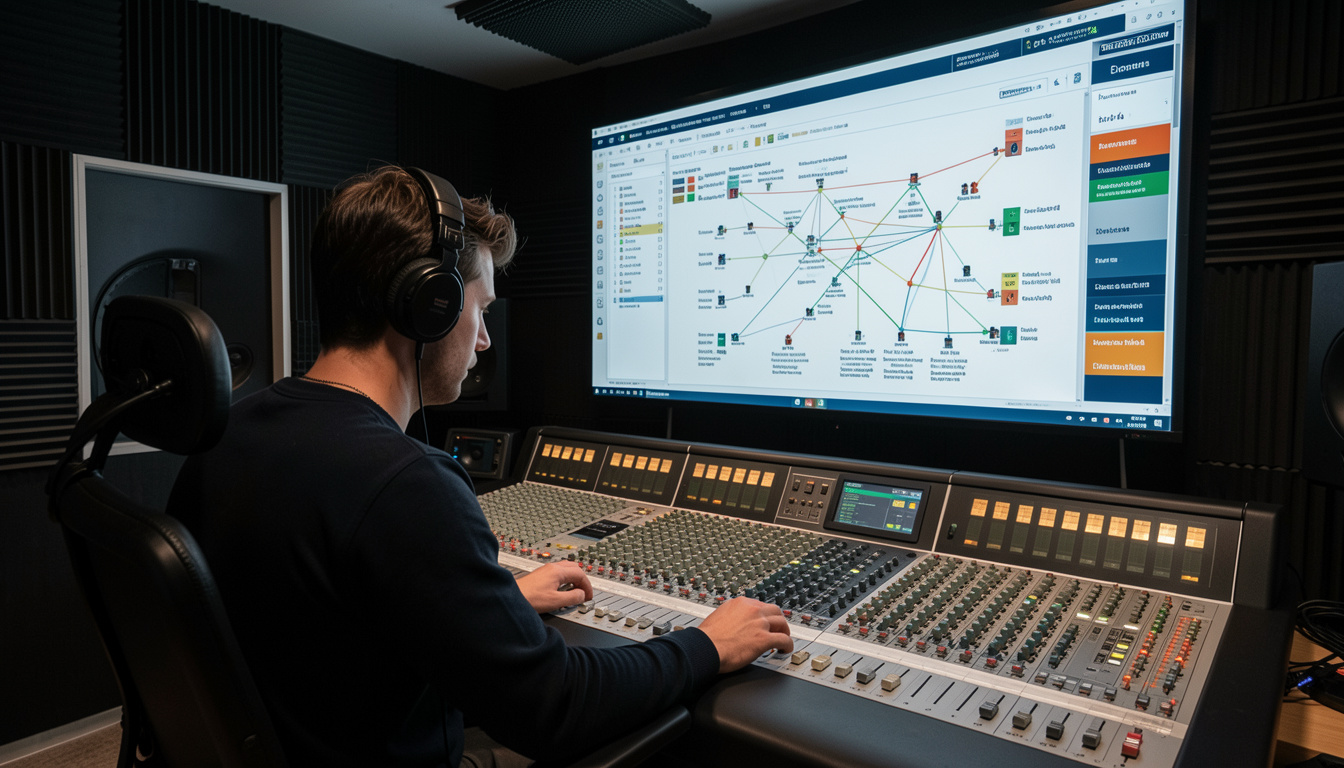
Several elements contribute to the final subscription price. BacktoFrontShow Pricing While exact pricing structures can change over time, most software providers calculate costs based on usage and available features.
- Organization size and number of users
- Included production management features
- Storage capacity and document management
- Customer support level and onboarding assistance
- Contract length and subscription type
These factors explain why two organizations using the same platform may end up paying different amounts.
Features That Add Value
Price becomes much easier to justify when the software removes repetitive administrative work. Instead of juggling spreadsheets, emails, printed scripts, and separate calendars, production teams can manage everything from one centralized location.
For example, imagine a high school musical involving fifty students, several teachers, volunteers, costume designers, and stage managers. Coordinating rehearsal schedules manually can become overwhelming. BacktoFrontShow Pricing A dedicated management platform reduces confusion by keeping everyone informed through one shared system.
Another valuable feature is document organization. BacktoFrontShow Pricing Scripts, rehearsal notes, production schedules, and technical documents remain accessible to authorized team members, minimizing the risk of outdated versions circulating among the cast.
Communication tools also improve efficiency. BacktoFrontShow Pricing Rather than sending multiple emails or messaging different groups separately, announcements can reach everyone simultaneously, helping reduce misunderstandings before rehearsals begin.
Who Benefits Most?
The platform appeals to a surprisingly broad audience because theater productions exist in many different forms. BacktoFrontShow Pricing Educational institutions often appreciate the structured organization, while independent companies enjoy improved collaboration across departments.
Schools frequently manage productions alongside regular academic schedules. Having one location for attendance, rehearsal planning, and announcements simplifies responsibilities for teachers and student leaders alike.
Community theaters often operate with volunteers who have limited availability. Efficient scheduling allows everyone to stay informed without spending unnecessary time coordinating logistics manually.
Professional production companies benefit from greater scalability. Larger teams handling multiple performances can organize production assets more efficiently while maintaining consistent communication across departments.
Comparing Cost with Traditional Management
Many productions still rely on printed scripts, spreadsheets, physical notice boards, and long email chains. Although these methods appear inexpensive, they often create hidden costs that become noticeable as productions grow.
Printing updated scripts repeatedly increases expenses throughout rehearsals. Time spent correcting scheduling mistakes or searching for the latest production documents also adds indirect costs that are rarely included in a traditional budget.
By comparison, centralized management software reduces duplication and administrative effort. The savings may not always appear as direct financial reductions, but they frequently translate into smoother rehearsals and better overall organization.
Is It Worth Paying for Premium Features?
This question depends largely on the complexity of your production. Smaller performances with limited casts may find entry-level features sufficient for their needs.
Larger productions, however, often benefit from additional collaboration tools, expanded storage, enhanced permissions, and more advanced scheduling capabilities. BacktoFrontShow Pricing Premium features typically become valuable when multiple departments need constant coordination.
Rather than focusing solely on subscription price, organizations should estimate how many hours of administrative work can be eliminated during an entire production cycle. BacktoFrontShow Pricing In many cases, improved efficiency alone can justify the investment.
BacktoFrontShow Pricing for Different Organizations
Every organization approaches budgeting differently. Educational institutions usually prioritize affordability, BacktoFrontShow Pricing while professional companies often focus on operational efficiency and long-term productivity.
Large theater companies managing multiple productions throughout the year may receive considerably more value from advanced plans than smaller organizations running only one annual performance. Matching the plan to actual production requirements is generally more important than selecting the most expensive option.
Comparing Available Plans
Although pricing structures may change over time, most production management platforms offer multiple subscription levels to serve different types of users. BacktoFrontShow Pricing An entry-level option usually includes the core tools needed to organize rehearsals and manage cast members, while higher-tier plans expand functionality with collaboration features, additional storage, and administrative controls.
Mid-level plans often appeal to schools and community theaters because they strike a balance between affordability and capability. Professional organizations, meanwhile, generally prefer premium subscriptions that support larger productions, multiple administrators, and more complex workflows.
Before selecting a plan, consider both your current production and your future needs. Upgrading later is usually possible, but choosing a plan that comfortably supports your expected workload can prevent interruptions during rehearsals.
How to Choose the Right Plan
Selecting the right subscription starts with understanding your production rather than comparing prices alone. A smaller cast with a simple rehearsal schedule may only require basic management tools, while a large musical involving multiple departments will likely benefit from more advanced features.
Think about how many people will actively use the platform. Directors, assistant directors, stage managers, costume designers, technical crews, and performers may all need different levels of access. A plan that accommodates everyone without unnecessary extras often delivers the best overall value.
It also helps to estimate how frequently your organization produces shows. If you manage several productions each year, investing in a more comprehensive package can improve consistency and reduce administrative work across every performance.
Budgeting Tips Before Purchasing
Making a thoughtful purchasing decision can prevent unexpected expenses later. Instead of looking only at the monthly subscription cost, evaluate the overall return on investment that the software can provide.
- Compare included features instead of choosing solely by price.
- Estimate how much administrative time the software could save.
- Consider future production growth before selecting a subscription.
These simple steps make it easier to identify a plan that remains useful as your organization expands.
Common Mistakes to Avoid
Many buyers assume that the least expensive option is automatically the smartest choice. In reality, a cheaper plan may lack essential features, resulting in additional manual work that costs more time than it saves.
Another common mistake is purchasing the highest-tier subscription without confirming whether the organization will actually use its advanced capabilities. Paying for features that remain unused rarely represents good value.
Ignoring staff training can also reduce the platform’s effectiveness. Even intuitive software delivers better results when everyone understands how to use its scheduling, communication, and document-sharing tools properly.
Long-Term Value Beyond the Subscription
The real benefit of production management software becomes clearer over time. As productions grow larger and involve more participants, centralized organization reduces confusion and helps teams stay aligned throughout rehearsals.
Historical records also become valuable assets. Production notes, schedules, attendance records, and shared documents can be referenced when planning future performances, allowing organizations to build on previous experience instead of starting from scratch.
Improved communication often leads to fewer missed rehearsals and fewer scheduling conflicts. These operational improvements contribute to smoother productions and a more enjoyable experience for everyone involved.
Final Thoughts Before Making a Decision
Every theater production has unique goals, budgets, and organizational challenges. Because of this, there is rarely a single subscription that suits every team equally well.
The most effective approach is to identify the features that genuinely improve your workflow while avoiding unnecessary costs. Looking beyond the advertised price and focusing on overall efficiency usually leads to a more satisfying investment.
Frequently Asked Questions
1. Is the platform suitable for small theater groups?
Yes. Smaller theater groups can benefit from improved scheduling, communication, and document management without relying on multiple separate tools.
2. Does the subscription cost depend on organization size?
Many production management platforms adjust pricing based on factors such as user numbers, available features, or organizational requirements.
3. Are educational institutions able to use the software?
Yes. Schools, colleges, and universities frequently use production management software to organize drama clubs, musicals, and stage performances.
4. Can the platform support large productions?
Absolutely. Larger productions often benefit from advanced collaboration features, centralized documentation, and more detailed scheduling tools.
5. Is technical experience required?
No. Most modern production management platforms are designed with user-friendly interfaces so that directors, volunteers, teachers, and performers can learn them quickly.
6. How should organizations compare subscription options?
Instead of comparing prices alone, evaluate included features, scalability, customer support, storage capacity, and the expected time savings for your production team.
7. Is the software a worthwhile investment?
For organizations that regularly manage stage productions, the improved organization, communication, and administrative efficiency often make the investment worthwhile.
Conclusion
Choosing theater management software should always involve more than comparing subscription costs. The right platform can simplify communication, improve rehearsal planning, organize important production documents, and help every member of the team stay informed from the first rehearsal to opening night. By carefully evaluating features, scalability, and long-term value, organizations can make a confident decision that supports both their creative goals and their budget. Ultimately, understanding backtofrontshow pricing allows directors, schools, community theaters, and professional companies to invest wisely in a solution that keeps productions running smoothly and helps every performance reach its full potential.
You may also read this: App and Socials Aliensync A Complete Guide to Smarter Digital Connectivity